Week 2 – Inclusion & Community Engagement
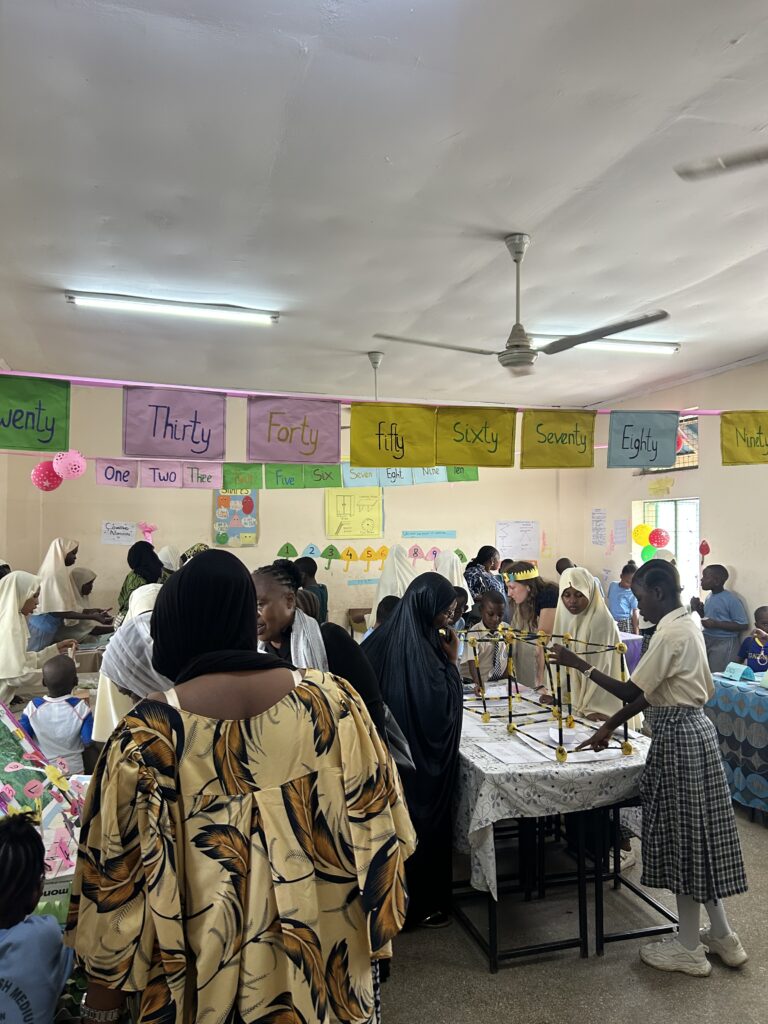
Growing an Inclusive Professional Learning Network:
Learning Beyond My Own Perspective
Building from this week’s first post on digital identity, I am taking a moment to reflect on inclusion in the field of teaching, and ones’ online network as an educator. As I am just beginning my journey toward becoming a teacher, I have realized that a Professional Learning Network (PLN) is extremely beneficial in learning from others, listening to different perspectives, and challenging my own thinking. For me, inclusion as a whole is being that welcoming space for people of all kinds to safely wear their identity, and the more I welcome diversity, the more unique perspectives I will have gained to influence the kind of educator I will become.
Inclusion & Community Engagement
How Diverse Is My PLN?
As I’m entering my third year of my undergraduate degree, I’ve noticed my PLN is not as diverse as it could be. Like many people, I naturally followed educators whose teaching styles and beliefs were similar to my own, honestly most being from a younger generation of teachers. While there is value in connecting with like-minded professionals, I have learned that real growth comes from hearing voices that challenge my assumptions. Shelley Moore (2016) explains that inclusion is not about making everyone the same. Instead, diversity should be valued because every person contributes unique strengths and experiences. She writes that teaching should begin by recognizing “what their pattern is. What do they bring? What can they contribute because of their diverse and unique expertise?” (Moore 2016).
Additionally, as a person of colour in this field, especially within Victoria, I lack a lot of representation of people who look like me or are from similar ethnic backgrounds. This general lack of educators who are from more culturally diverse backgrounds is in a way affecting my access to information, making my perspective in classrooms drastically different to my white peers. To continue expanding my PLN, I want to intentionally follow educators from different cultural backgrounds, Indigenous educators, disability advocates, and teachers working in a variety of educational settings. Since PLNs are not at the limit of geographical borders, it may be a great way for me to connect with educators from around the world to gain the perspectives I lack in Victoria. Doing so will help me better understand perspectives that I may not experience in my own life.
What Is a Learning Outcome of My PLN, and How Am I Ensuring Diversity and Inclusion?
One of the biggest learning outcomes from reflecting on my PLN is understanding that inclusion is an ongoing commitment, and there will never be one singular answer to it. To ensure my PLN continues to grow, I plan to actively seek diverse voices instead of only engaging with educators from one area or with one viewpoint. By exposing myself to different experiences and teaching philosophies, I will become a more reflective and inclusive educator. This approach will also help me create classrooms where every student feels valued and respected, especially when educating English Language Learners.
How Has My Thinking About Inclusion and PLN Evolved
In all honesty, inclusion to me mainly meant ensuring every student had access to the classroom and did not feel unsafe because of their identity, whether it be their race, gender, sexuality or financial status. “One Without the Other” by Shelley Moore challenged this belief by explaining that inclusion is more than simply sharing the same physical space, and instead she argues that “inclusive education is about providing opportunities with supports for all students to have access to, and contribute to, an education rich in content and experience with their peers” (Moore 2016).
This changed my line of thinking to understand that inclusion is about belonging, participation, and recognizing everyone’s strengths and utilizing each person’s unique identity or skill within the community and classroom. I also see that my PLN should reflect these same values by encouraging collaboration and learning from diverse perspectives.
PLN, Social Media & Inclusion
How Does Social Media Engage Communication?
Although the readings do not focus on specific social media platforms, Clark and Aufderheide explain that today’s digital media environment has shifted from one-way communication to participatory communication. They describe how people can “share stories and facts, ask hard questions, and then shape a judgment on which they can act.”
For educators, this means social media can be a valuable professional learning space where teachers exchange classroom ideas, collaborate with colleagues, and learn from experiences beyond their own schools. Personally, I now know past teachers of mine who have developed large social media followings and digital PLNs through opening their social media to communication and collaboration. In doing so, they inspire teachers worldwide with their perspectives and have achieved great accomplishments in terms of curriculum development and inclusion.
How Does Social Media Challenge Communication?
While social media creates opportunities for collaboration, it also presents challenges. Because communication is public, educators must carefully consider the accuracy, professionalism, and tone of everything they share. Clark and Aufderheide emphasize that public media should encourage thoughtful discussion while maintaining credibility and trust. Misinformation and Disinformation is a common topic in media now and the right education behind it is truly the groundwork to keeping professional life on social media safe and correct.
As a future teacher, I recognize that my online presence should reflect the same professionalism and respect that I demonstrate in the classroom, especially in terms of inclusion and respectful communication between others.
Is Social Media Inclusive?
Social media has the potential to be highly inclusive because it allows people from many different backgrounds to share their perspectives. However, inclusion does not happen automatically. Clark and Aufderheide argue that inclusion must be intentionally prioritized so that all voices are represented, especially those that have historically been underserved. But, in order to have access to social media, one would require a digital device or access to the internet and arguably, the global south has some of the highest populations of people living in the highest rates of poverty, especially women. If a key player and percentage of the population does not have access, then can social media truly be inclusive?
For the Western world, social media could be made more inclusive by supporting those living with disabilities or exceptionalities. However, in my opinion inclusivity has not been achieved if the entire world is not granted the same opportunities to have access to the online world.
Does My PLN Amplify the Views of Others?
I believe my PLN should be more than a place where I collect resources, and should also be a space where I amplify the work and ideas of others. Clark and Aufderheide explain that participatory public media allows people from different backgrounds to communicate across social, cultural, and class differences (2011). An important factor in amplifying views is giving the credit to those original creators, especially those sharing cultural work such as an Indigenous point of view.
By sharing the work of other educators, acknowledging different perspectives, and listening before speaking, I can contribute to a more inclusive professional community.
Conclusion
School districts and employers emphasize that public communication should be responsible, trustworthy, and inclusive. As a future teacher, I understand that employers expect educators to maintain professional online behaviour because our digital presence reflects both ourselves and the schools we represent. My social media should demonstrate respect, integrity, and thoughtful communication while avoiding content that could negatively affect students, families, or colleagues. Teachers are truly the leading role models for future generations, and it is an understandable why those expectations are taken seriously in the professional role now that social media and digital identities are easily accessible even by the youngest of students.
Ultimately, I want my PLN to reflect the same inclusive values that I hope to build in my classroom and in my digital footprint. By building meaningful connections, listening to different voices, and sharing ideas responsibly, I can become a teacher who creates welcoming learning environments for all students while contributing positively to the greater educational community. A diverse PLN holds benefits and opportunities to learn from educators with different experiences, cultures, and perspectives. It encourages my reflection, can reduces bias, and helps teachers better understand the needs of diverse learners. Today I learn and will carry with me Shelley Moore’s reminder that inclusion means valuing every person’s strengths instead of trying to make everyone the same.
Inclusion is not Assimilation
Resources
Clark, J., & Aufderheide, P. (2011). A new vision for public media: Open, dynamic, and participatory. In S. C. Jansen, J. Pooley, & L. Taub-Pervizpour (Eds.), Media and social justice.
Moore, S. (2016). One without the other: Stories of unity through diversity and inclusion. Portage & Main Press.